Almond Butter: Elevating Projects with a Handwritten Touch
There’s a particular quality that separates a design that feels merely assembled from one that feels intentionally crafted. It often comes down to the details, and few details carry as much weight as typography. For projects that require a blend of personal elegance and contemporary style, the Almond Butter script font offers a compelling solution. This isn’t just another decorative typeface; it’s a tool designed to inject a sophisticated, hand-penned character into modern creative work.
Anatomy of a Graceful Script
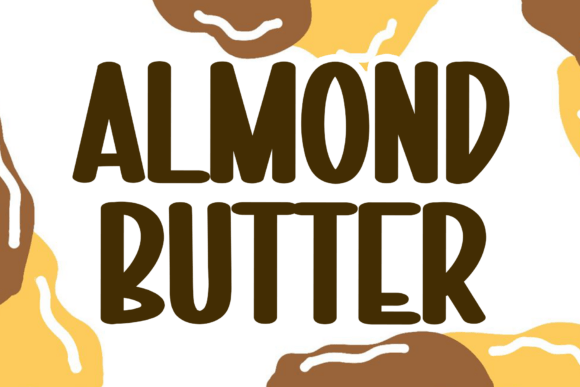
At its core, Almond Butter is a fluid, vertically elongated script. The letterforms are drawn with a fine, monolinear stroke, meaning the line weight remains consistent throughout each character, avoiding the thick-thin contrast of traditional calligraphy. This gives it a clean, modern feel. The joins between letters are smooth and carefully considered, ensuring the flow from one character to the next feels natural and connected, not forced or overly loopy. The overall personality is one of refined simplicity—elegant without being ostentatious, personal without being messy. It strikes a balance that feels both approachable and polished.
This design makes it a versatile display font. It commands attention at larger sizes used in headings and logos but retains its legibility and charm. As a premium font, its value lies in this careful craftsmanship, offering a level of detail and cohesion that free alternatives often lack. For a designer, it’s a reliable asset that delivers consistent quality.
Where This Handwritten Font Truly Shines
The real test of any creative font is how it performs in context. Almond Butter finds its strongest applications in projects where a human touch is desired. Consider its use in brand identity for boutique businesses—a florist, a artisanal bakery, or a independent consultancy. The font can form the basis of a logo that feels personal and trustworthy. Paired with a clean sans serif font for body text, it creates a beautiful contrast that guides the eye and establishes a clear visual hierarchy.
For marketing and social media graphics, it’s an excellent choice for headers, quotes, or call-to-action statements. It adds warmth to a lifestyle brand’s Instagram story or a Pinterest pin, making the content feel more engaging and less corporate. In editorial design, such as magazine features or book covers, it can evoke a sense of authorship or personal narrative. Even in packaging design, a small application on a label or thank-you card can significantly enhance the unboxing experience, reinforcing a brand’s attention to detail.
Beyond commercial use, it’s a fantastic tool for personal projects. Think wedding invitations, custom stationery, or a personal blog header. The handwritten font style lends an intimate, crafted quality that resonates on a personal level.
Practical Considerations for Effective Use
Choosing a font like Almond Butter is just the first step. Using it effectively requires some practical forethought. First, always evaluate the project’s needs. Is the primary goal readability at small sizes on a screen? If so, this script font might be best reserved for large headlines. Its strength is in display use, not body copy. Test it thoroughly by setting real words and phrases from your project—your brand name, a key slogan—to see how the ligatures and letter connections behave.
Second, think about font pairing. A successful pairing often involves contrast. Try combining Almond Butter with a geometric sans serif font like Montserrat or a classic serif font like Georgia. The script adds personality, while the complementary font ensures readability for longer text blocks. Most foundries provide examples or pairings, which are a great starting point for your own experiments.
Third, review the font’s full character set. Does it include the special characters, numerals, and punctuation you need? Check for stylistic alternates or swashes that can add extra flair. Finally, understand the licensing. For any commercial use—in a logo, on merchandise, in a client’s website—you must ensure you have the appropriate commercial font license. This is a non-negotiable part of professional practice, protecting both you and the font’s creator.
When used thoughtfully, Almond Butter